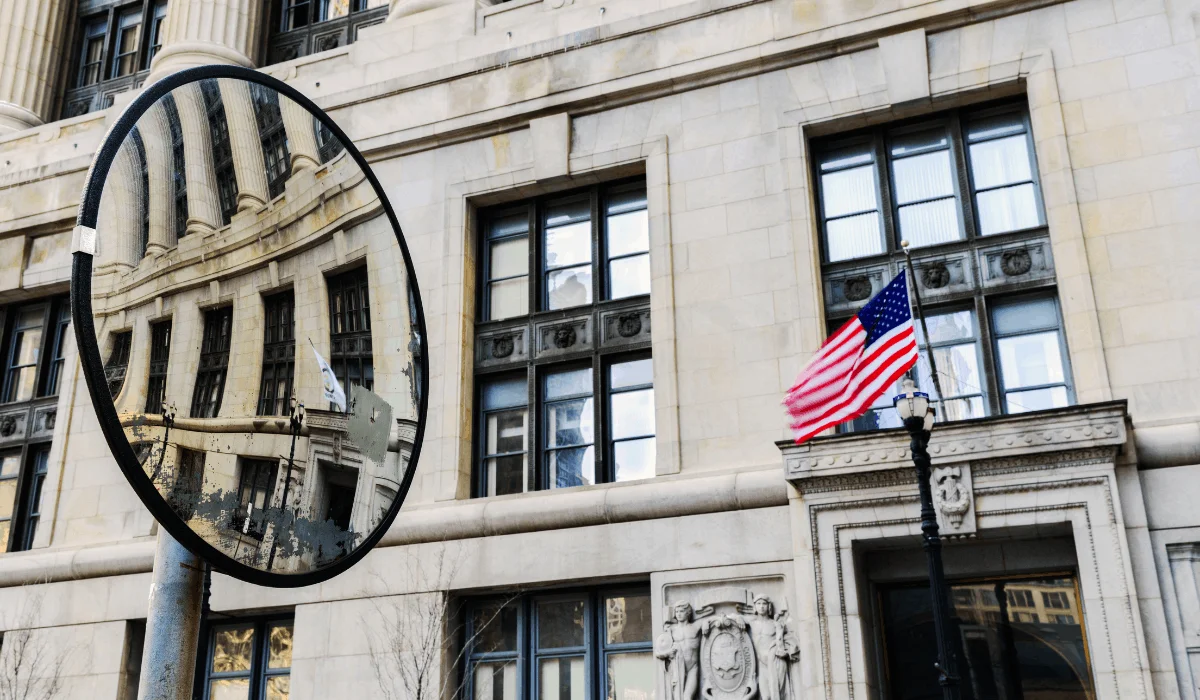
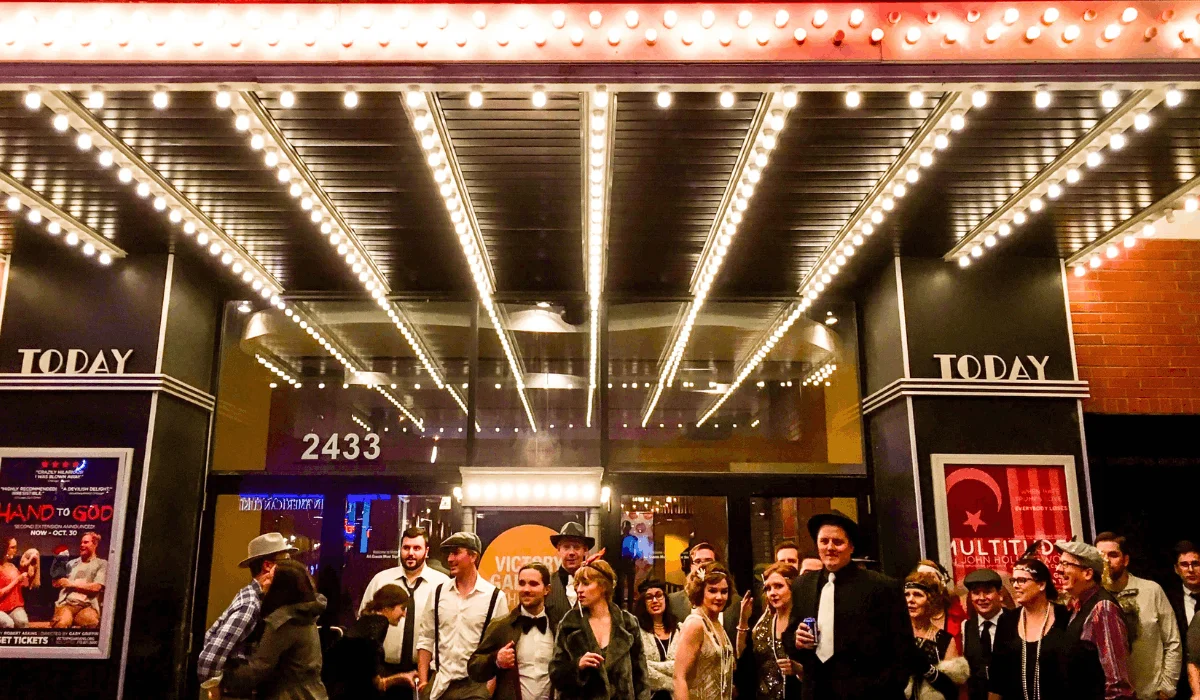
The Great Depression, the 19th Amendment to the US Constitution (Women’s right to vote), the end of World War 1 and the 18th Amendment to the US Constitution (Prohibition) are the ingredients of the cocktail that resulted in the Roaring Twenties. The 1920s placed Chicago on a global stage, with its infamous gangsters, debauchery, and long-winded politicians. During Prohibition, Chicago speakeasies hid behind unmarked doors, with secret entrances and unsuspecting storefronts, serving illegal drinks while organized crime flourished throughout the city. Today, many of those stories still echo through Chicago’s neighborhoods, while modern speakeasies recreate the mystery and atmosphere that made these hidden bars legendary. Some historic bars serve up classic cocktails while others prefer a more modern flair and may serve both. Whether you’re interested in gangster history or simply searching for a memorable cocktail or mocktail, Chicago offers plenty of ways to step back into the Roaring Twenties.
What Was a Speakeasy?
During Prohibition (1920–1933), the manufacture, distribution, and sale of alcohol became illegal across the United States. Rather than giving up drinking alcohol, many Americans simply found hidden places to enjoy it. These illegal bars, known as speakeasies, operated behind unmarked doors, basements, restaurants, and businesses that appeared perfectly ordinary from the street. Thirsty patrons often needed a password, special knock, or personal connection to get inside, creating an air of secrecy that still fascinates today.
Why Chicago Became a Speakeasy Hotspot
Prohibition made Chicago famous for its gangsters and speakeasies. Some of the most infamous bars in Chicago were speakeasies in the 1920s, where organized crime turned bootlegging into a booming underground industry and ultimately started the Beer Wars of Chicago. When Big Bill Thompson was mayor of Chicago (1915-1923 & 1927-1931), he ran on the promise phrase “wetter than the middle of the Atlantic Ocean,” and promised to reopen every speakeasy and add 10,000 new ones. Some say that there was a speakeasy on every corner. A soda shop may look innocent, but the extra shot for your health was poured under the table. It’s in the name, “speakeasy”; while not discussed openly, they were certainly sought out privately and whispered about to thirsty drinkers.
Learn more about Chicago Speakeasies, the characters that made them famous, and the battles throughout Chicago on a Chicago Crime Tour or Night Crimes Tour.
Everyone wanted a piece of the booming illegal liquor industry. Competition became heated among rival gangs, with neighboring groups always looking to expand their territory and control the supply. This resulted in violent arguments over territory and fueled the infamy of the Beer Wars. Figures like Al Capone became famous worldwide, while neighborhoods across Chicago quietly housed speakeasies behind storefronts and unsuspecting businesses and buildings.
If you’d like a deeper look at how Prohibition reshaped the city, explore our Brief History of Prohibition.
Where to Find Chicago Speakeasies Today
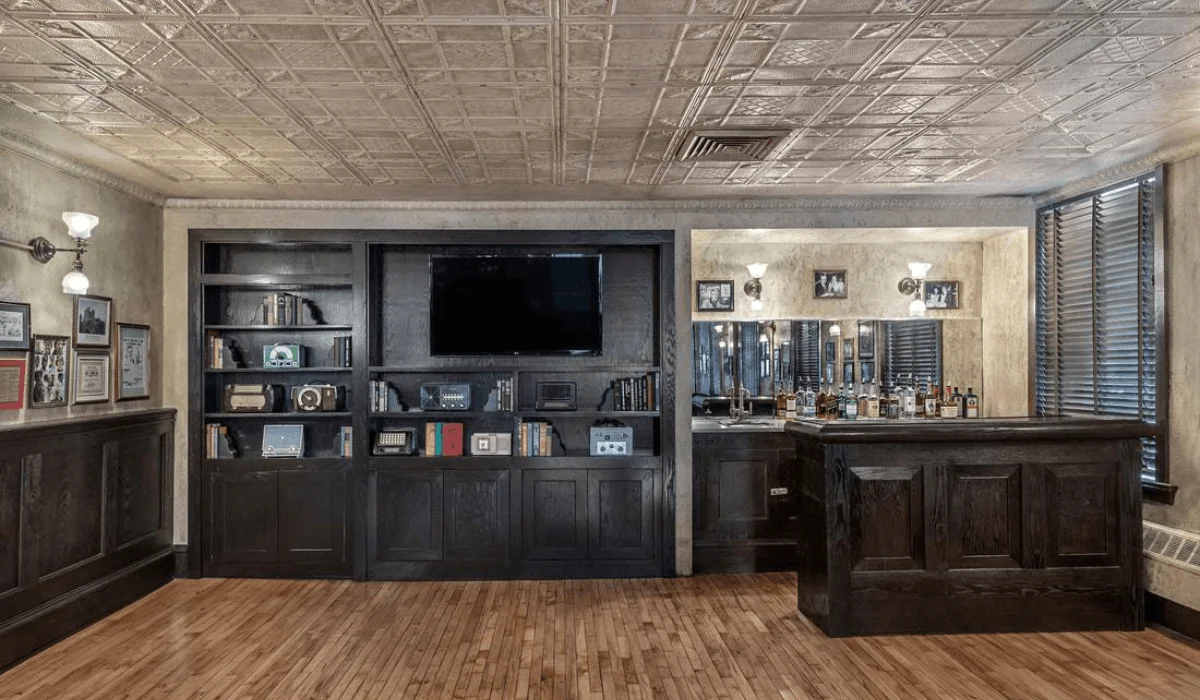
Harry Caray’s Italian Steakhouse
The grand and distinctive Henry Ives Cobb architecture has housed many different businesses over the last 100+ years. In 2001, the beautiful structure was designated as a landmark by the Commission on Chicago Landmarks and is now part of the National Register of Historic Places. It is difficult to see this majestic structure and imagine a Chicago speakeasy within its walls. Well before Harry Caray envisioned his Italian Steakhouse, the building was home to a varnish company, a cheese manufacturing business, steakhouses, and even a Chicago speakeasy. Renowned gangster Frank Nitti stayed in an apartment upstairs; his in-laws ran a cheese company on the main floor and sold slot machines and bootleg gin in the basement.
Today, the bar on the main floor is known as one of Chicago’s most notorious sports bars, great for enjoying a game, sipping delicious cocktails, or enjoying a fabulous meal. The speakeasy upstairs is reserved for private events that feel very exclusive. This experience is great for sports enthusiasts, executives, and groups looking for elevated fun.
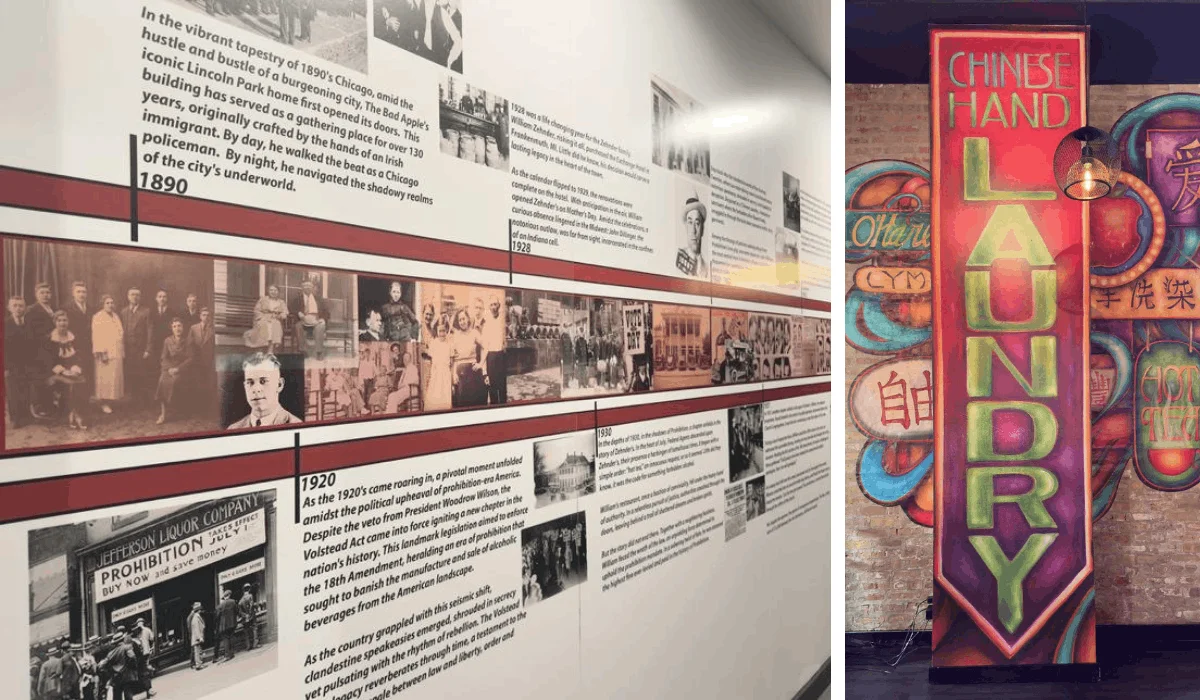
The Bad Apple
It’s difficult to picture this modern bar as a speakeasy during Prohibition. While the updated space still has some historic features on the outside, during the Roaring ’20s in Chicago, any bystander would have seen a Chinese laundry. The laundry was a front for a Chicago speakeasy hidden in the back and on the lower level. Today, you’ll find a beautiful mural commemorating the Chinese laundry in the front, but head to the back and you’ll see a small museum dedicated to Prohibition, John Dillinger, and even a secret room. This experience is best for locals looking for casual fun, beers, and burgers. It’s also great for a date night, group outing, or catching a game on the cool outdoor patio.
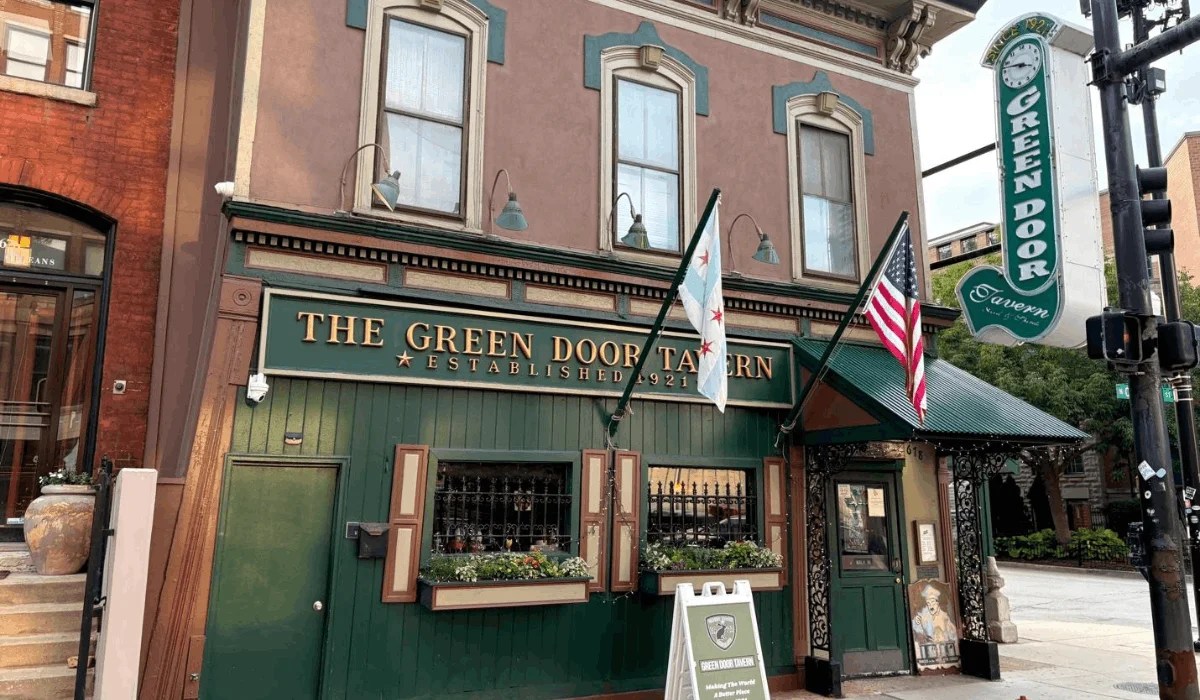
The Drifter at The Green Door Tavern
Hidden beneath the historic Green Door Tavern, The Drifter embraces the mystery of Prohibition with vintage décor, creative cocktails, and an ever-changing menu presented on tarot-style cards. Its intimate atmosphere makes it an excellent choice for couples or anyone looking for an authentic speakeasy-inspired experience. This bar is great for date nights, small groups, or anyone looking for some local entertainment.
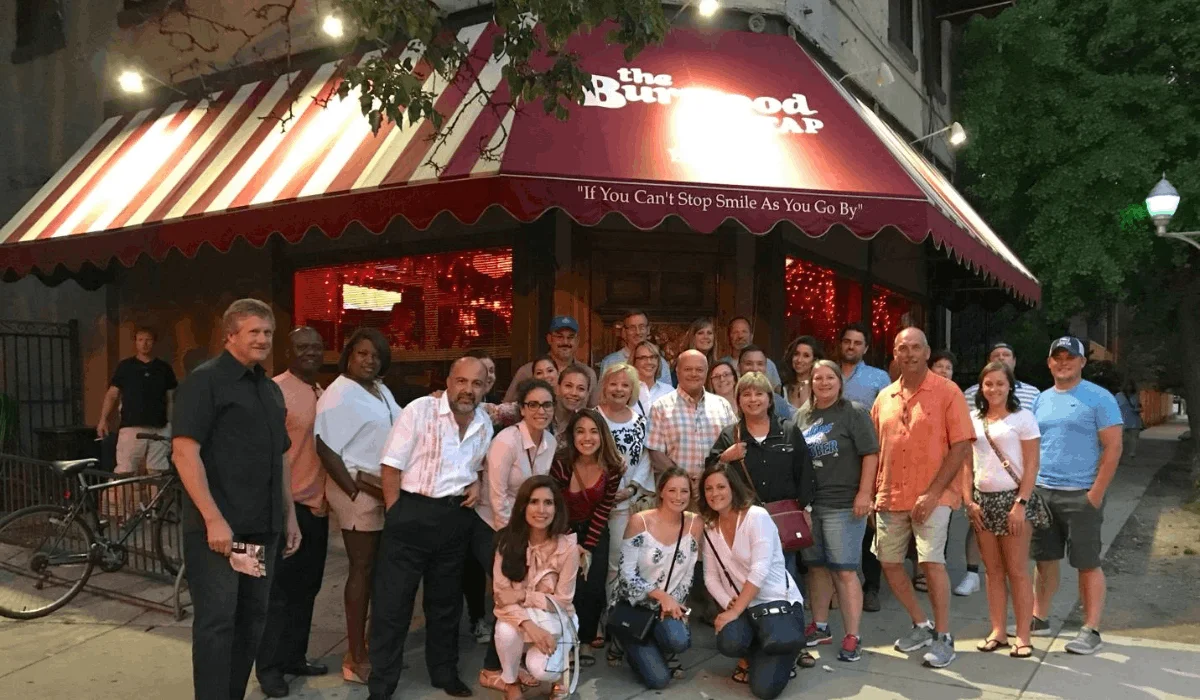
The Burwood Tap
Nestled in the Lincoln Park neighborhood, this North Side Chicago speakeasy truly embodies the neighborhood bar. The name “Burwood” comes from the two streets on which it resides: Burling & Wrightwood. It originally operated as a “soda shop” that doubled as a speakeasy called “The Noble Experiment.” The red and white striped awning reflects its history as a soda shop during Prohibition. Stop by this Chicago speakeasy for laughs, a round of pool, to catch a Cubs game, or to hang out with the locals.
Experience Chicago’s Gangster History Beyond the Cocktail
While visiting a speakeasy offers a glimpse into Chicago’s Prohibition culture, there’s much more to the story than hidden cocktail bars. Learning about Chicago’s gangster history adds another layer to every speakeasy visit. Many of the city’s most famous cocktail bars sit just blocks from former mob hangouts, bootlegging routes, and notorious crime scenes. On a Chicago Crime Tour or Night Crimes Tour, you’ll hear the stories behind some of these landmarks and a couple of Chicago speakeasies while exploring the neighborhoods where history unfolded.
Planning a group outing? Private Chicago Crime Tours can even be customized with an optional stop at a modern speakeasy, creating a unique experience that combines Chicago history with a memorable night out.
Chicago’s speakeasy culture continues to captivate visitors more than a century after Prohibition began. Whether you’re sipping cocktails behind a hidden door, exploring the stories of infamous gangsters, or visiting the sites where history unfolded, there’s no shortage of ways to experience this fascinating chapter of the city’s past. For those who want to go beyond the cocktail menu, a Chicago Crime Tour or Night Crimes Tour offers an entertaining way to uncover the people, places, and stories that made Chicago legendary.
Frequently Asked Questions About Chicago Speakeasies
Are there still real speakeasies in Chicago?
While the illegal speakeasies of the Prohibition era are a thing of the past, Chicago is home to many modern cocktail bars inspired by their legacy. These venues often feature hidden entrances, intimate settings, vintage décor, and expertly crafted cocktails that recreate the mystery and atmosphere of the 1920s. Some historic establishments, like the Green Mill, also preserve a tangible connection to Chicago’s Prohibition past.
What are some famous speakeasies from the 1920s?
Chicago was home to thousands of illegal drinking establishments during Prohibition, but a few have become especially well known. The Four Deuces gained notoriety for its ties to Al Capone’s organization, while Colosimo’s Café played an important role in the city’s early bootlegging history. The Green Mill is one of the few surviving venues with documented connections to the Prohibition era and remains one of Chicago’s most historic bars.
What is the best speakeasy in Chicago?
The best speakeasy in Chicago depends on the experience you’re looking for. Some visitors prefer historic venues with ties to the Prohibition era, while others seek hidden cocktail bars known for creative drinks and immersive atmospheres. Whether you’re interested in history, live entertainment, or expertly crafted cocktails, Chicago offers a variety of speakeasy-inspired experiences to explore.
Can you visit historic Prohibition locations in Chicago?
Yes. Many of Chicago’s most significant Prohibition-era landmarks can still be visited today, including historic neighborhoods, crime scenes, and buildings connected to bootlegging and organized crime. A guided Chicago Crime Tour or Night Crimes Tour offers additional context, bringing these locations to life with the stories of Al Capone, rival gangs, famous speakeasies, and the events that shaped the city’s Prohibition history.