Chicago’s South Side was once home to the most famous name associated with U.S. true-crime history, Chicago gangster Al Capone. His former house on Prairie Avenue still stands strong as a quiet reminder of the Prohibition era when the Capone gang ruled Chicago’s underworld. While this wasn’t his only hideout, it was his primary residence and the first home that he shared with his wife, son and daughters. The Al Capone family house has been vacant for many years and is not open to the public. While the home is visible from the exterior, some of the history from inside this South Side residence remains a mystery – if only walls could talk!
- Capone’s Former House on Chicago’s South Side
- Other Al Capone Homes Around Chicago
- What Happened to Capone’s Homes After His Reign
- Visiting Capone’s Old Neighborhoods Today
- FAQs About Al Capone’s House
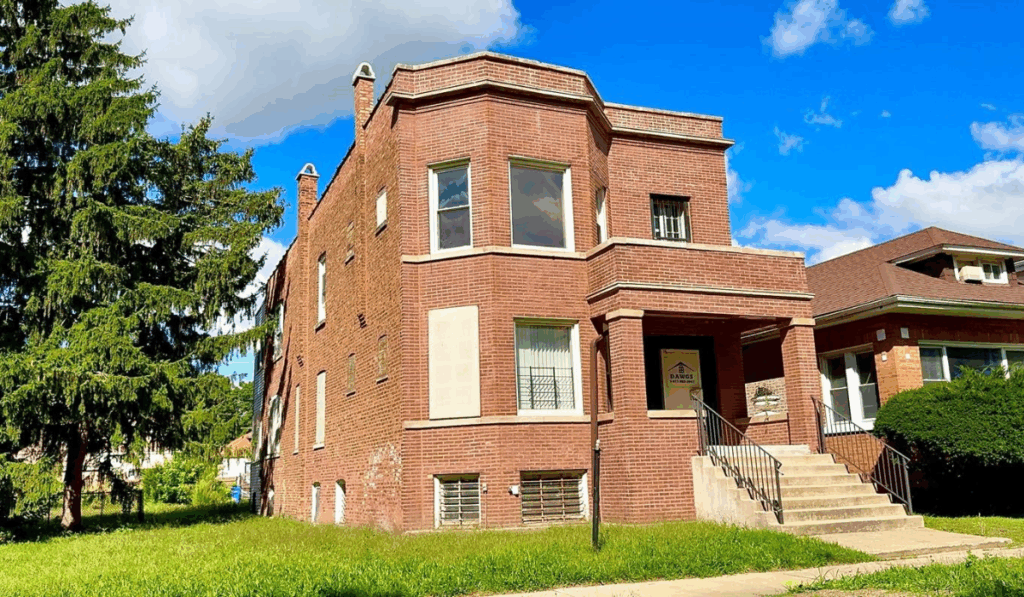
Capone’s Former House on Chicago’s South Side
Al Capone’s former South Side home is located at 7244 S Prairie Ave, located in the historic Chicago Park Manor neighborhood. The original structure was built in 1905. Al Capone bought this two-flat brick brownstone for his wife and growing family in 1923. This red brick house in Chicago sits on a double lot and features 6 bedrooms, 2 full baths, a separate garage, and was last sold in 2019 for $219,000 (according to the MLS). See the photo above for a contemporary look at Al Capone’s South Side home in its current condition. Al Capone’s house in Chicago is over 100 years old and still stands strong. The house remained the family home until they moved to Miami, FL.
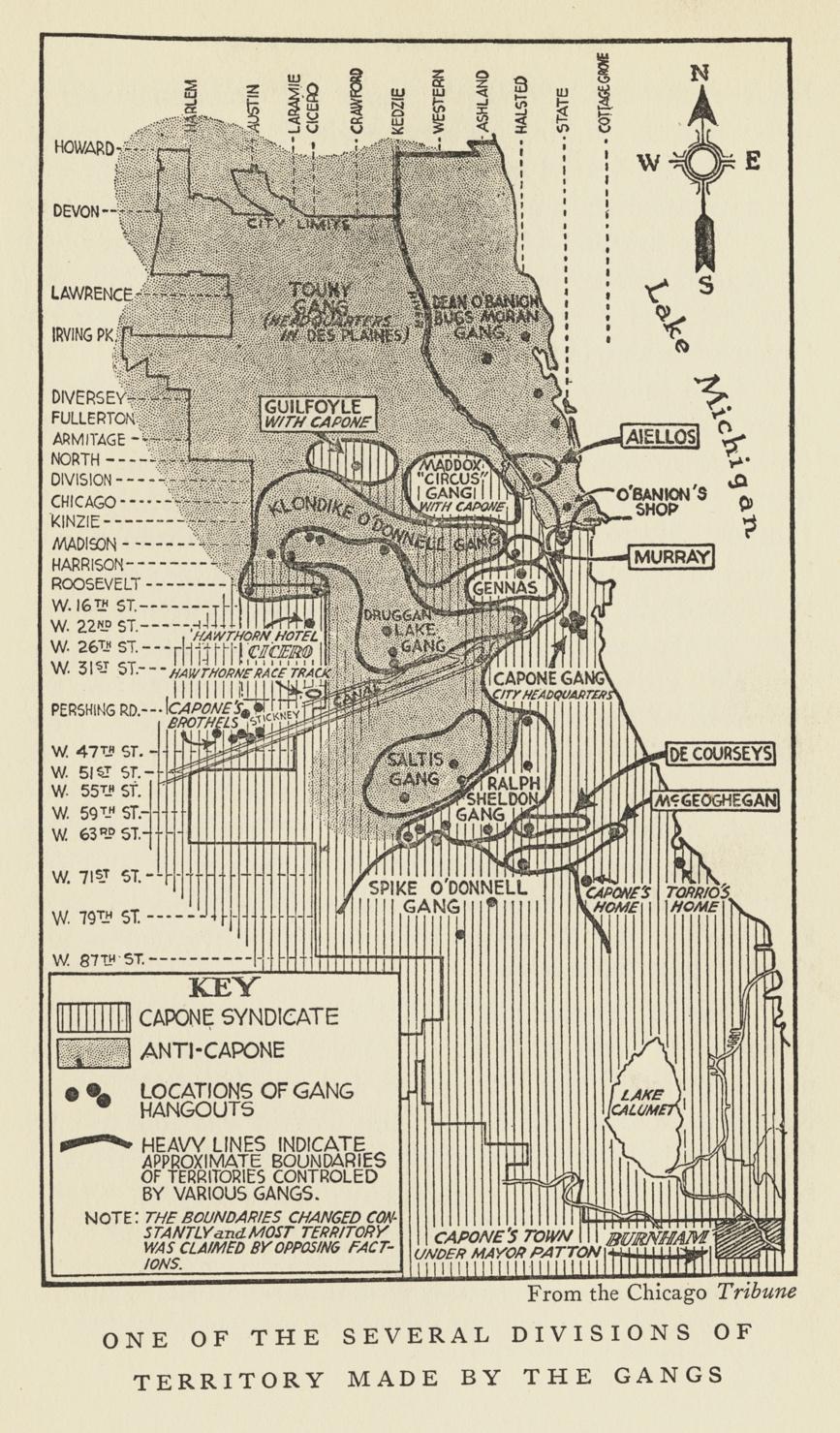
According to this 1925 gangland map from the Chicago History Museum’s archives, Capone’s south side family home was well within the Capone Syndicate territory. While Capone’s house was on the south side, his territory and syndicate branched extensively throughout the city. Throughout Prohibition, beer wars were waged, and gangs fought over territory. Learn more about the beer wars and Al Capone’s rise to power on an upcoming Chicago Crime Tour or Night Crimes Tour.
Later in life, following his release from prison, Al Capone moved to Miami. The Miami Beach Capone mansion was where the Capone family previously vacationed on their private estate and where Al Capone spent his final days, including where he died from a heart attack on January 25, 2947. In 2019, the Capone family estate was demolished, and the vacant land remains available for new construction. The infamous stories of Al Capone and his family homes are all that truly remain.
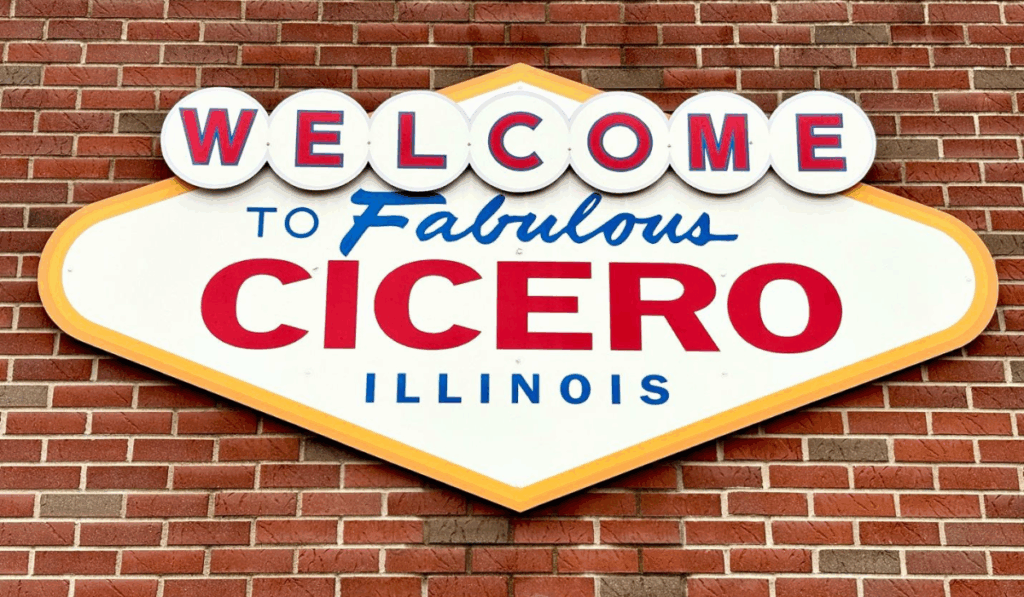
Other Al Capone Homes Around Chicago
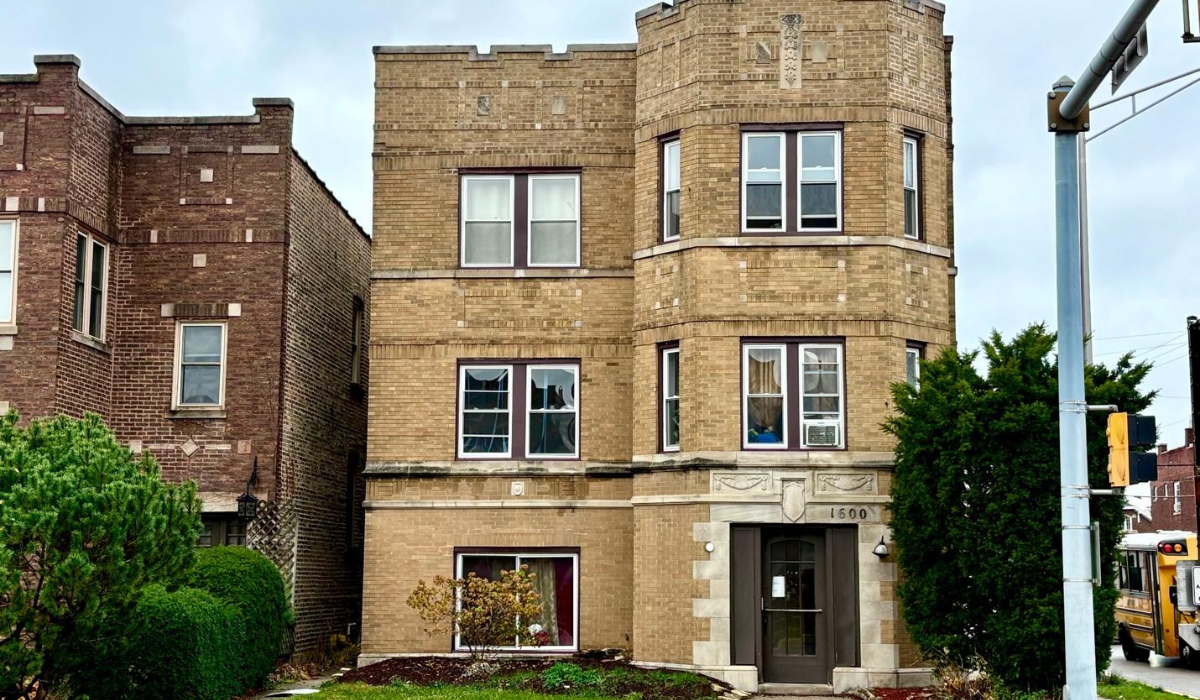
The Cicero Party House: 1600 S. Austin Boulevard
The lesser known of the Chicago homes, the Al Capone house in Cicero was known as the “party house.” Due to pressure in Chicago, Capone moved his operations to Cicero when “Big” Bill Thompson was not the mayor of Chicago.
Mayor William Hale Thompson was elected the 41st mayor of Chicago in 1915. Republican William E. Dever was the 42nd mayor of Chicago and served 1924-1927. During Mayor Dever’s term, Al Capone moved his operations out of the City of Chicago west to neighboring Cicero. It was well known that Mayor Thompson was not supportive of Prohibition. In 1927, when Mayor Thompson (whose slogan was, “…wetter than the Atlantic Ocean”) came back into office, Capone resumed operations in Chicago. When “dry” Democratic Mayor Dever was in office, Al Capone used Cicero as his headquarters, where he also maintained several businesses. Many believe the Capone gang influenced polling stations and physically beat and intimidated Democratic supporters when Cicero’s Republican “wet” mayor, Joseph Z. Klenha was elected in 1924.
Other Alleged Capone Properties
It is difficult to truly know all the properties that Al Capone managed or resided at, as records of money and property were scarce. Capone was so good at hiding his whereabouts and paper trail of evidence that it took years for the federal government to finally indict Capone for tax evasion. When the cash was flowing, the Capone Gang would stay at various hotels and boarding houses throughout Chicago and the Midwest. Various business ventures often pulled Al Capone away from the family home on Chicago’s South Side, but he always made it back. Whether he was catching a baseball game with his son, Sonny, or sitting down for a plate of Italian favorites, Capone consistently carved out time for family.
Check out Dierdre Capone’s book, Uncle Al Capone, for more details about family life. Dierdre Capone is the daughter of the late Ralph “Bottles” Capone, Al’s brother. The back of the book has a list of some family favorite recipes that were made for generations of Capones.
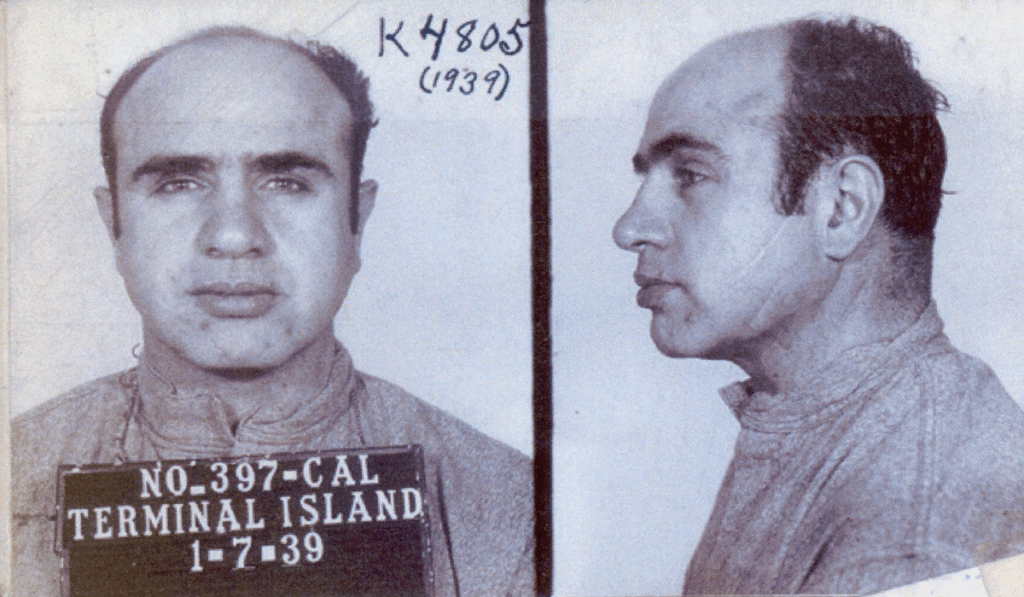
What Happened to Capone’s Homes After His Reign
In 1932, Al Capone was sentenced to 11 years in prison for tax evasion. Upon Al’s imprisonment, the family sold the South Side home and moved permanently to their Miami, FL, estate. The Florida mansion remained the Capone family home until after Al’s death in 1947. Al Capone’s wife, Mae, sold the mansion in Miami in 1952 for $54,000.
The historic mansion at 93 Palm Ave, on Palm Island, Miami Beach was torn down, much to the chagrin of the local historic preservation society. All the old debris was removed in 2023, after it sold to its most recent owners in 2021 for $15,500,000.
Present day, 93 Palm Ave, Palm Island, Miami Beach, FL has been on and off the market since 2022. According to MLS public records, the mansion is listed with Karise Claramonte, of Beachfront Realty Inc, at a list price of $19,900,000.
Visiting Capone’s Old Neighborhoods Today
The Capone gang wrestled for power and control during the Prohibition era. Gangsters, like Al Capone, marked their territory and consolidated their operations and real estate in areas that they deemed as relatively safe locations. Today, the Capone family house in Chicago remains quietly nestled on the border of the historic South Side Park Manor neighborhood. The brick home stands as a landmark on Google Maps and may be seen photographed and visited by tourists and locals alike.
FAQs About Al Capone’s House
Where did Al Capone live in Chicago?
Al Capone’s primary residence was a two-flat brick home at 7244 S. Prairie Ave in Chicago’s Park Manor neighborhood. He purchased the house in 1923 for his wife and family, and it served as his main home throughout his rise in the Chicago underworld.
Can you visit Al Capone’s old house today?
The Prairie Avenue home is privately owned and not open for tours, but visitors can view the exterior from the street. It remains a popular landmark for true-crime fans exploring Chicago’s South Side.
What other homes or hideouts did Al Capone use in the Chicago area?
In addition to his South Side residence, Capone used several other properties, including a well-known Cicero “party house” at 1600 S. Austin Blvd and various hotels and apartments to stay off investigators’ radar.
What happened to Al Capone’s homes after his arrest and death?
After Capone’s 1932 imprisonment, his family sold the Chicago home and moved permanently to Miami. His Miami Beach mansion at 93 Palm Ave—where he spent his final years—was later demolished in 2019, leaving only its history and legacy behind.
Are Al Capone’s territory or former properties featured on Chicago Crime Tours?
While we don’t visit the homes of Capone, the Chicago Crime Tours and Night Crimes Tours explore many of the neighborhoods, stories, and historic sites tied to Capone’s rise to power, offering an in-depth look at his life and the Prohibition era.
While Al Capone’s homes may appear ordinary today, their stories are anything but customary. Each one — from the South Side to Miami — reflects a different chapter in his rise, reign, and retreat. Together, they paint a picture of a man who left an unforgettable mark on Chicago, and whose legacy still lingers persistently in the city’s streets. Book a Chicago Crime Tour or Night Crimes Tour and bring the stories of Al Capone and his grip on power to life.